This is a story of engineering precision and trust delivered across thousands of miles. In the high-stakes global trade of heavy machinery and logistics equipment, success is rarely defined by a simple transaction. Instead, it is forged through an unwavering attention to technical detail, an understanding of regional infrastructure challenges, and the radical transparency required to give international buyers absolute peace of mind.
The Challenge: Balancing Heavy-Duty Capacity with Logistics Efficiency
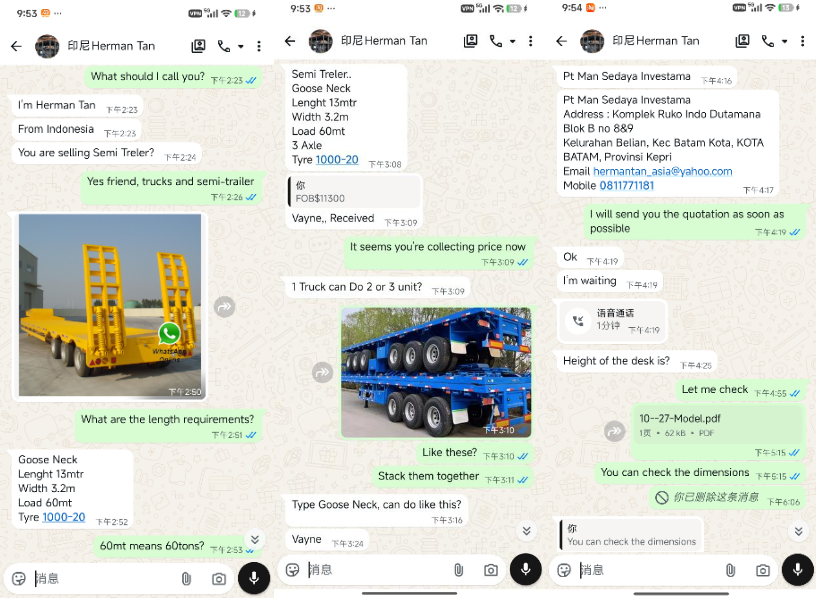
The journey began when our Indonesian client, Mr. Herman Tan, reached out to our engineering team with a highly specific, heavy-haul procurement requirement. Operating within Southeast Asia’s rapidly expanding industrial and construction sectors, Mr. Tan needed an uncompromising equipment solution: a 13-meter gooseneck low-bed semi-trailer engineered to support a continuous 60-ton load capacity, riding on rugged 1000-20 specification tires.
However, heavy-duty engineering was only half of the equation. In international freight, transport volumes dictate profitability, and shipping fully assembled, oversized semi-trailers across the ocean can incur astronomical break-bulk or container freight costs. From his very first inquiry, Mr. Tan presented a critical, cost-saving operational question: Could two units be stacked and integrated together to save on ocean shipping freight?
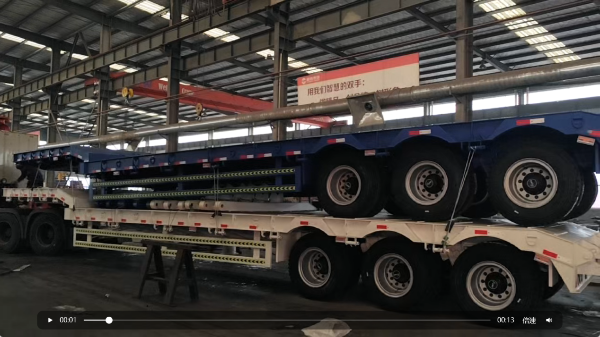
The Mechanics of Stacking Semi-Trailers: Stacking heavy equipment for international transport is a complex engineering task that demands flawless calculations. To protect the structural integrity of both units, engineers must precisely calculate the clearance of the gooseneck, verify axle configurations, and design specialized support frames. This allows the top trailer to be securely inverted and nested onto the bottom chassis, ensuring the combined stack perfectly conforms to standard shipping container dimensions or port handling safety margins without damaging the underlying main beams, paintwork, or pre-installed air brake systems.
Bridging the Distance: Collaborative Design and Technical Verification
Recognizing that vague assurances have no place in industrial procurement, our team immediately established a collaborative technical dialogue. We held multiple intensive calls with Mr. Tan, sharing detailed product photos, structural blueprints, and precise design drawings.
Our engineering specialists patiently and meticulously verified every technical specification alongside him. We analyzed the axle configuration to ensure optimal weight distribution over Indonesia’s varied road networks, scrutinized the thickness of the main longitudinal beam to guarantee a safety margin well beyond the 60-ton rating, measured the exact deck height for heavy equipment loading clearances, and mapped out a comprehensive container loading blueprint. No detail was overlooked. By turning a standard sales call into a deep technical consultation, we transformed a remote inquiry into a shared engineering vision.
Overcoming the Impasse: Sincere Negotiation and Cost Optimization
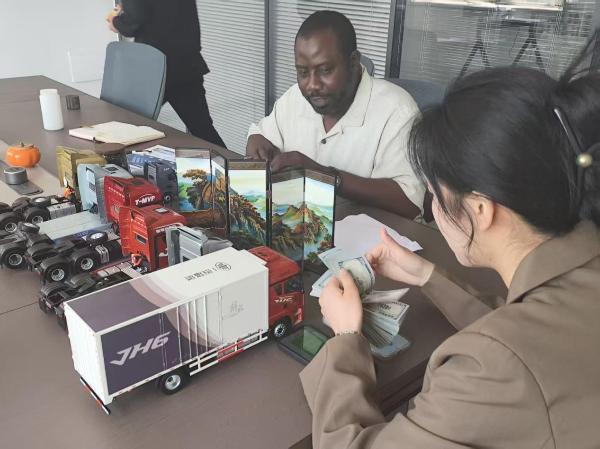
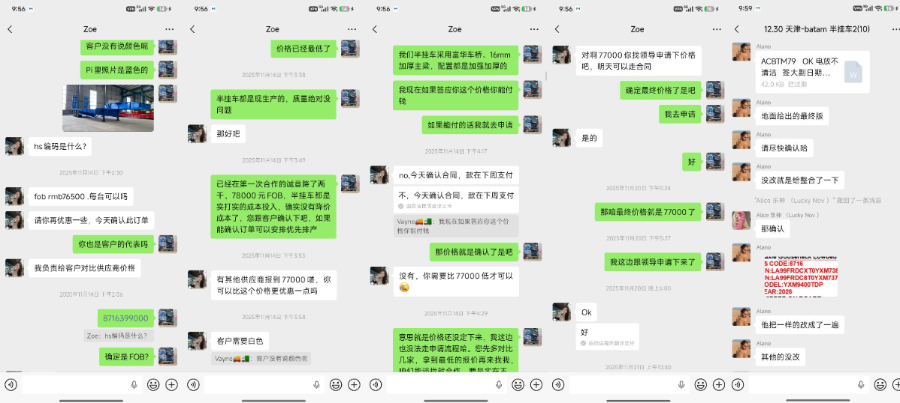
The price negotiation phase was rigorous. In the B2B marketplace, buyers naturally conduct extensive competitor benchmarking to secure the highest possible return on investment. Having compared quotes from multiple global suppliers, Mr. Tan hoped for a more competitive offer that would align with his corporate budgetary constraints.
While firmly staying true to our cost bottom line—ensuring that structural materials and component quality were never compromised for a lower price—we worked tirelessly to optimize our manufacturing margins. Ultimately, we successfully secured a sincere cooperation price that respected Mr. Tan’s budget while upholding our rigorous manufacturing standards.
Radical Transparency from Tianjin Port to Destination
With the contract finalized, our focus shifted to total process visibility. From initial quote confirmation and steel cutting to production scheduling, every phase of manufacturing was tracked and shared.
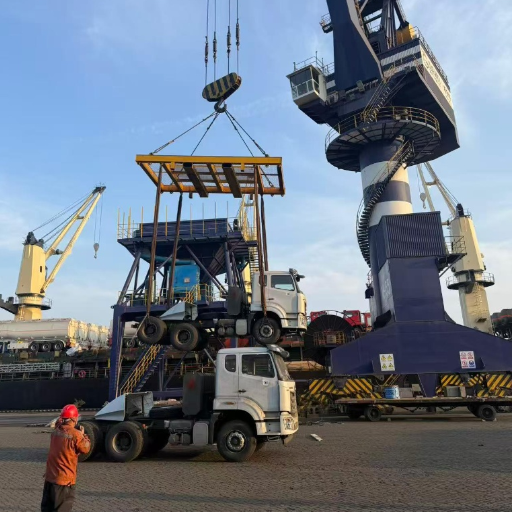
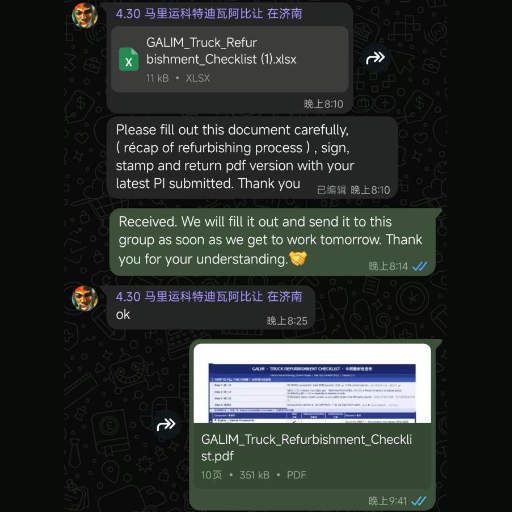
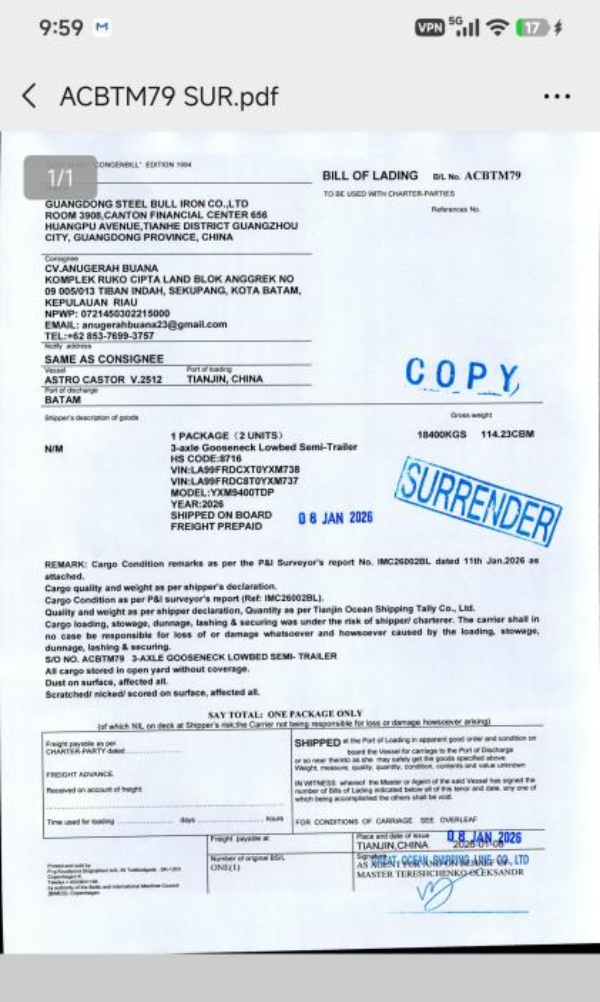
The true test of our operational capability came during the loading sequence. Our factory logistics team executed the double-trailer stacking plan flawlessly, securing the two units into a compact, rigid transport block. We managed the entire overland transit to Tianjin Port, handled the complex customs clearance, and supervised the final ocean vessel loading, keeping Mr. Tan updated with real-time photographic and video evidence at every single milestone. Only when he received the comprehensive, full set of official shipping documents and Bills of Lading (B/L) did the client finally rest assured, knowing his investment was safe and en route.
Conclusion: Honest Communication is the Best Business Card
Behind every successful cross-border B2B order lies countless hours of detail refinement, technical alignment, and mutual trust. This successful shipment to Indonesia powerfully reinforces our core corporate belief: honest, transparent communication and professional, market-verified delivery are the absolute best business cards an organization can possess.
By treating our client not merely as a buyer, but as a long-term partner deserving of absolute transparency, we didn’t just export two semi-trailers; we built an enduring bridge of trust across the ocean. We look forward to seeing these robust low-bed trailers driving infrastructure progress across Indonesia, serving as a moving testament to our dedication to quality and partnership.