Tri axle dump trucks play a crucial role in the construction and transportation industries, providing the strength and versatility needed for heavy-duty hauling tasks. This guide is designed to offer a thorough understanding of what makes these vehicles unique, exploring their structure, functions, and key applications. We will discuss the mechanics of tri axle dump trucks, compare them to other types of dump trucks, and provide insights into their advantages and limitations. Whether you are a contractor, fleet manager, or simply curious about heavy machinery, this article will serve as a reliable resource for understanding how tri axle dump trucks operate and why they are essential in various industries.
What is a Tri Axle Dump Truck?
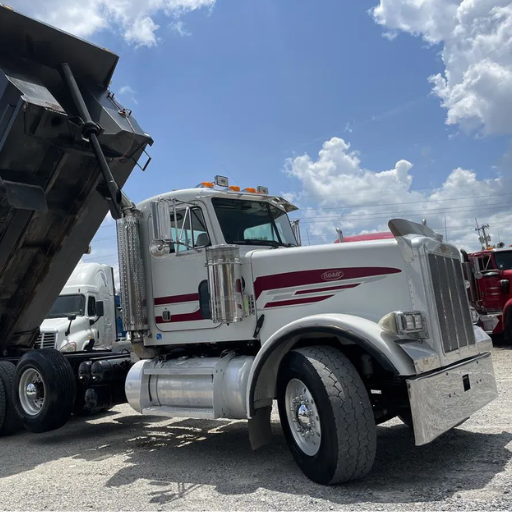
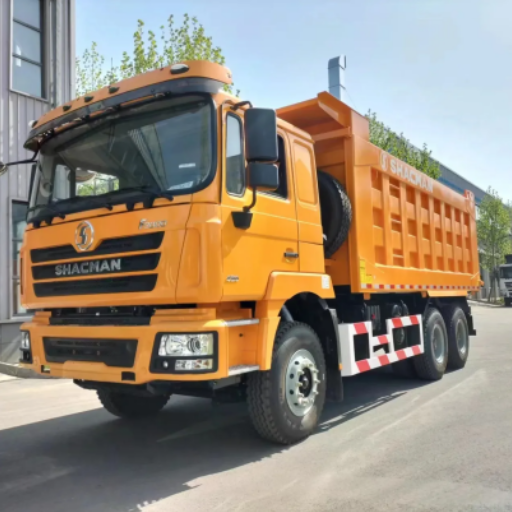
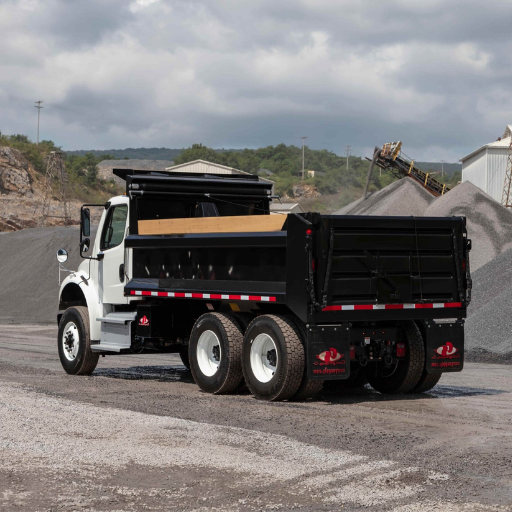
A Tri Axle Dump Truck is a heavy-duty vehicle equipped with three axles, designed to transport and unload bulk materials such as gravel, sand, or debris. The three axles provide enhanced weight distribution, allowing the truck to carry heavier loads compared to single or double axle models. Its design typically includes a hydraulic lifting mechanism that tilts the truck bed, enabling quick and efficient unloading of materials. These trucks are commonly used in construction, landscaping, and mining industries due to their durability, high load capacity, and versatility.
Defining the Axle and Its Importance
An axle is a critical component in a vehicle’s structure, responsible for supporting the weight of the vehicle and its cargo, as well as connecting the wheels for seamless movement. Axles come in various types, including drive axles, dead axles, and lift axles, each tailored for specific functions. Drive axles play a crucial role in transferring power from the engine to the wheels, enabling motion, while dead axles primarily support weight without delivering power. Lift axles, often seen in heavy-duty trucks, can be raised or lowered to optimize load distribution and terrain adaptability. Their importance cannot be understated as they ensure the proper functioning, safety, and efficiency of vehicles, with a direct impact on stability, performance, and load capacity. Without robust and well-designed axles, modern transportation and industrial operations would face significant challenges.
Features of a Tri Axle Dump
A tri axle dump truck is equipped with three axles, two of which are fixed drive axles, and an additional tag or booster axle typically used to meet weight distribution regulations. These vehicles are designed to handle heavy loads while maintaining maneuverability and stability. Key features include:
Enhanced Load Capacity: Tri axle dump trucks can carry heavier loads compared to standard dump trucks, making them ideal for construction, mining, and material-hauling projects. The third axle helps distribute weight more efficiently and ensures compliance with road weight restrictions.
Improved Maneuverability: Despite their size and load capacity, tri axle dumps are designed for better steering and handling, suitable for urban and off-road environments.
Versatility: These trucks are highly adaptable, suitable for hauling a variety of materials such as gravel, sand, dirt, or demolition debris. Their robust build enables them to function in harsh terrains and demanding conditions.
Durability: Built with heavy-duty materials and engineering, tri axle dump trucks are designed for long-term use, reducing maintenance costs and downtime.
Adjustable Axles: Many models feature a liftable third axle, which can be raised when not required to reduce tire wear and improve fuel efficiency.
These features make tri axle dump trucks an essential tool in industries requiring heavy-duty hauling capabilities.
Comparing Tri Axle with Single and Quad Axle
When comparing tri axle dump trucks to single axle and quad axle models, it’s clear each serves specific needs based on payload requirements and operational efficiency. From my understanding, single axle trucks are more compact and ideal for lighter loads or jobs requiring easy maneuverability in tight spaces. However, they lack the hauling capacity that tri axles provide. On the other hand, quad axle trucks excel in handling significantly heavier loads, making them suitable for large-scale projects, but they may be less cost-effective for mid-size jobs due to higher operational expenses and reduced fuel efficiency.
Tri axle trucks strike a balance between these two extremes. They offer considerable payload capacity without sacrificing too much mobility, making them versatile for medium-to-heavy-duty tasks. Additionally, the liftable third axle on many models improves fuel economy and reduces wear when the full capacity isn’t needed. For most mid-size to large construction or hauling jobs, tri axle trucks provide an efficient and reliable solution.
How to Choose the Right Tri Axle Dump Truck for Your Needs?

Payload Requirements – Assess the weight and volume of the materials you’ll be hauling to ensure the truck’s payload capacity matches your needs. Overloading can lead to safety issues and reduced efficiency.
Terrain and Accessibility – Consider the type of terrain you’ll be operating on. If the job site includes rough or uneven surfaces, ensure the truck has the necessary ground clearance and durability.
Engine Power and Performance – Evaluate the engine specifications to ensure the truck has sufficient power for your applications, particularly for uphill hauls or heavy loads.
Regulations and Permits – Check local and state regulations around axle limits and weight allowances to avoid potential fines or restrictions.
Fuel Efficiency – Look for models with advanced fuel-saving features, like a liftable third axle, to reduce overall operating costs over time.
Maintenance and Durability – Opt for a truck from a reputable manufacturer known for durability and ease of maintenance to minimize downtime and repair costs.
Budget and Financing – Balance your needs with the budget available, considering both the upfront costs and long-term expenses such as maintenance, insurance, and fuel.
By carefully evaluating these factors, you can make an informed decision and select a tri axle dump truck tailored to your project’s specific requirements.
Evaluating the Dump Body and Capacity
When assessing the dump body and capacity of a tri axle dump truck, consider the material you will be hauling and the volume required. The dump body should be constructed from durable materials such as steel or aluminum, with steel offering higher durability for heavy loads like construction debris and aluminum providing a lightweight option for payload efficiency. Evaluate the cubic yard capacity of the dump body to ensure it matches your average load requirements while considering the truck’s legal weight restrictions to maximize productivity without overloading.
Additionally, check for features like protective liners to minimize wear and tear and advanced hydraulic systems for efficient dumping. Tailgate functionalities, such as high-lift or spreader designs, can also improve versatility and operational ease. These factors collectively ensure the dump body aligns with both the nature of your projects and the operational demands of your business.
Understanding Front Axle and Rear Axle Specifications
When considering front axle and rear axle specifications, I focus on key aspects to ensure optimal performance for my needs. For front axles, I look at load capacity, steering dynamics, and suspension design to guarantee they can handle both weight and maneuverability effectively. The rear axle is equally critical, so I evaluate gear ratios, torque distribution, and durability to ensure it aligns with the vehicle’s operational requirements, especially in heavy-duty or off-road scenarios. Both axles should collectively enhance stability, load-bearing capacity, and efficiency, ensuring reliable functionality in any working condition.
Considering Used Dump Truck Options
When exploring used dump truck options, several critical factors should guide your decision to ensure you invest in a reliable and functional vehicle.
Truck History and Condition
Always inquire about the vehicle’s maintenance and repair history. Check for signs of wear and tear, such as rust, engine damage, or undercarriage issues, especially given the heavy-duty nature of dump trucks. Prioritize trucks with comprehensive service records and regular inspections.
Engine and Transmission Performance
A strong and well-maintained engine is vital for any truck. Pay attention to the engine hours and verify its capacity aligns with the intended workload. Similarly, test the transmission system for smooth operation and ensure it supports the truck’s hauling capabilities.
Hydraulic System Functionality
Inspect the hydraulic systems thoroughly, as they play a crucial role in a dump truck’s functionality. Look for leaks, operational consistency, and adequate lift capacity to avoid costly repairs later.
Axles and Tires
Evaluate the condition of the axles and tires to confirm they support the desired load capacity. Worn tires or damaged axles can add to maintenance expenses, so choose a truck with durable components in good condition.
Vehicle Application Fit
Match the truck specifications, such as dump bed size and payload capacity, with your project needs. Trucks come in various configurations, so knowing your requirements helps narrow choices efficiently.
By combining these critical factors during your search, you can confidently select a dependable used dump truck that meets your operational and budgetary needs.
What are the Top Brands for Tri-Axle Dump Trucks?

When it comes to reliable tri-axle dump trucks, several top brands are known for their durability and performance:
Kenworth – Praised for robust construction and operator comfort, Kenworth is a favorite for heavy-duty applications.
Peterbilt – Known for its premium build quality, Peterbilt offers trucks with excellent fuel efficiency and longevity.
Mack Trucks – Renowned for their power and rugged design, Mack Trucks are built to handle tough jobs with ease.
Freightliner – Freightliner provides versatile and cost-efficient options, making them highly popular among fleet operators.
Western Star – Combining durability with customization options, Western Star specializes in trucks made for challenging work environments.
Each brand offers unique features, so consider your specific needs, such as payload capacity and terrain, when making a decision.
An Overview of Mack and Mack Granite
Mack Trucks, an iconic name in heavy-duty trucking, is renowned for reliability, power, and innovation in commercial vehicles. The brand has earned its reputation by producing durable trucks that meet the demands of industries such as construction, waste management, and long-haul transportation. Mack’s vehicles are designed with advanced technologies, such as fuel-efficient engines, driver-assistance systems, and customized builds to suit specific needs.
The Mack Granite series is a standout in Mack’s lineup, tailored specifically for construction and vocational work. Known as one of the most versatile and durable trucks in its category, the Granite is engineered for heavy loads and rough terrains. It features a lightweight yet strong frame, improved fuel efficiency, and spacious, ergonomic interiors that enhance driver comfort. Additional customizable features, including axle configurations and suspensions, make the Granite ideal for tasks like dump trucking, mixers, and snow plowing. If you’re seeking strength and adaptability, the Mack Granite is a smart investment for demanding job sites.
The Features of Kenworth T880 Tri Axle Dump
The Kenworth T880 Tri Axle Dump is designed to deliver exceptional performance and versatility in the toughest job environments. Engineered with a robust chassis and durable construction, the T880 is optimized for heavy-duty hauling, making it perfect for industries like construction, mining, and aggregate transportation. Its PACCAR MX-13 engine offers a powerful yet efficient driving experience, while the wide array of customizable options — including axle configurations and advanced safety systems — ensures it meets diverse operational needs. Additionally, the T880 boasts a driver-friendly interior with ergonomic controls and ample cabin space, reducing fatigue during long workdays. For those seeking reliability and functionality, the Kenworth T880 stands out as a dependable option.
Exploring the Peterbilt 567 Tri Axle Dump
The Peterbilt 567 Tri Axle Dump is a versatile and rugged model, engineered for heavy-duty tasks across a variety of industries such as construction, excavation, and material transport. Powered by the efficient PACCAR MX-13 engine, the 567 provides a strong blend of performance, fuel efficiency, and reliability. Its innovative design includes an all-aluminum cab for enhanced durability and reduced overall weight, improving payload capacity.
Additionally, the Peterbilt 567 features advanced safety technologies like collision mitigation, lane departure warnings, and stability control systems, ensuring safer operations under demanding conditions. With multiple axle configurations, customizable body options, and a spacious, driver-centric cab layout, it adapts seamlessly to unique industry requirements. Known for its robust build and dependable performance, the Peterbilt 567 Tri Axle Dump is a preferred choice for businesses prioritizing efficiency and long-term productivity.
How Much Does a Tri Axle Dump Truck Cost?
The pricing for tri axle dump trucks is primarily determined by the manufacturer, model, year, and optional features of the truck. New dum trucks typically range from $150,000 to over $200,000. Used trucks are more economical, ranging from $50,000 to $150,000 depending on age, mileage, and overall condition. Additional features also affect the price range, therefore establishing a particular budget is crucial.
Factors Influencing Truck Cost
Manufacturer and Model
The brand and model of the truck play a significant role in determining cost. Reputable manufacturers like Peterbilt, Kenworth, and Mack often have higher price tags due to their durability, performance, and advanced features. Additionally, different models within a brand can cater to varying specialties, reflecting varied pricing.
Year and Condition
Newer trucks generally cost more due to updated technology, better fuel efficiency, and warranties. For used trucks, condition is key—vehicles with lower mileage and well-maintained systems are priced higher, while older models or those requiring repairs are more affordable.
Specifications and Features
Engine capacity, transmission type, axle configurations, and carrying capacity directly influence costs. Optional upgrades such as enhanced suspension systems, upgraded tires, or advanced safety features can significantly add to the base price.
Customization and Add-Ons
Buyers often require customizations, like specialized dump bodies, additional hydraulic systems, or advanced GPS systems. These modifications, while enhancing functionality, also contribute to increasing upfront costs.
Market Conditions
Supply and demand in the trucking industry can fluctuate based on economic trends, influencing pricing. When demand is high, prices rise, while they may decrease during periods of lower activity.
Understanding these factors is crucial for aligning your budget with operational needs and ensuring optimal long-term value.
Price Differences Between New and Used Tri Axle Options
When evaluating new versus used tri axle trucks, several key distinctions can help guide your decision. New tri axle trucks typically come with the latest technology, improved fuel efficiency, and warranties that reduce repair risks early on. However, these benefits come at a premium, with prices often ranging from $150,000 to $200,000 or more, depending on specifications and customizations.
On the other hand, used tri axle trucks present a more cost-effective alternative, generally priced between $50,000 and $125,000 depending on age, mileage, and condition. Although they may lack cutting-edge features or warranties, well-maintained used models can still deliver reliable performance with lower upfront costs. Additional factors like maintenance history, prior usage, and inspection quality play a significant role in ensuring long-term reliability.
For buyers weighing these options, the decision ultimately depends on budget constraints, operational requirements, and the intended workload. While new models maximize efficiency and minimize downtime, used trucks remain a solid choice for businesses prioritizing affordability without sacrificing utility.
Where to Find the Best Dump Truck for Sale
When searching for the best dump truck for sale, consider reputable dealerships, online marketplaces, and specialized auction platforms. Well-known manufacturers often provide certified pre-owned options, ensuring quality and reliability. Online marketplaces like TruckPaper, Commercial Truck Trader, or Mascus offer extensive inventory listings with detailed specifications. Additionally, attending specialized machinery auctions can yield competitive prices, though thorough inspection is recommended before purchase. Local dealerships also offer personalized consultations, financing options, and after-sales support to align with your specific needs. Comparing these sources ensures you secure a dependable dump truck at a fair price.
Maintenance Tips for Axle Dump Trucks

Regular Inspections
Conduct routine checks on tires, brakes, suspension, and hydraulic systems to identify wear and tear early. Pay particular attention to the axles for any signs of stress or damage.
Lubrication
Keep pivot points and moving parts properly lubricated to prevent corrosion and ensure smooth operation. Use manufacturer-recommended grease and oils.
Hydraulic System Care
Regularly inspect hydraulic hoses and connections for leaks or cracks. Maintain the hydraulic fluid at the right levels and replace it as specified by the manufacturer.
Tire Maintenance
Check tire pressure frequently and ensure proper alignment to prevent unnecessary wear. Rotate tires as needed to extend their lifespan.
Load Management
Avoid overloading the truck, as excessive weight can strain the axles and significantly reduce the vehicle’s operational lifespan. Always adhere to the manufacturer’s load limits.
Cleaning and Debris Removal
Clean the dump body and undercarriage after each use to remove dirt, gravel, and debris, which can cause rust or hinder performance over time.
Scheduled Servicing
Follow a strict maintenance schedule as outlined in the vehicle’s user manual. Regular professional servicing ensures optimal performance and safety.
Implementing these tips will help keep your axle dump truck in top condition, extend its service life, and minimize costly downtime.
Regular Check-Ups for Lift Pusher Axle
Proper maintenance of the lift pusher axle is crucial for ensuring its reliability and efficiency. Begin with a routine inspection of its components, including pins, bushings, and brackets, to identify signs of wear, damage, or potential misalignment. Check airbag pressure and functionality, as defective airbags can cause uneven axle operation and put stress on other parts. Additionally, monitor the hydraulic or pneumatic systems for leaks or blockages, which could reduce the axle’s lifting and lowering effectiveness. Regular lubrication of moving parts prevents friction and extends the axle’s lifespan. Adhering to these practices will enhance system performance, reduce breakdown risks, and boost overall vehicle safety.
Maintaining the Dump Body
Proper maintenance of the dump body is crucial to ensure efficiency and durability. Start by inspecting the dump body regularly for signs of physical damage, such as cracks, bent sections, or rust, especially around welds and corners where stress tends to accumulate. Clean the dump body thoroughly after each use to remove debris, dirt, and corrosive materials like salt or chemicals, which can weaken its structure over time. Lubricate all moving parts, such as the hinges and hoist mechanisms, to guarantee smooth operation and reduce wear. Additionally, check the hydraulic system for leaks, adequate fluid levels, and proper functioning to avoid potential failures during operation. Ensure all safety features, including tailgate latches and warning systems, are in good working condition. Following these practices and any recommendations in the manufacturer’s manual can significantly extend the service life of the dump body while maintaining safety and reliability.
Inspecting Steerable Lift Axle and Other Components
Regular inspection and maintenance of the steerable lift axle and other critical components are vital to ensure safety, performance, and compliance with regulations. Begin by visually inspecting the axle for any signs of wear, damage, or misalignment, as these can cause uneven tire wear or operational inefficiencies. Verify that the tires are in good condition and inflated to the correct pressure, as improper inflation can affect the axle’s performance. Check the suspension system, including airbags and shocks, for leaks, cracks, or wear that could compromise stability.
Examine the steering mechanism to ensure smooth and properly aligned movement. Lubricate pivot points and rotating components to reduce friction and extend service life. Assess the braking system for issues such as worn brake pads or uneven braking pressure. It’s also critical to inspect electrical and pneumatic connections for functionality and secure attachment since these systems often work in tandem with the lift axle.
References
Frequently Asked Questions (FAQ)
Q: What is a triaxle dump truck?
A: A triaxle dump truck is a type of heavy-duty truck equipped with three axles to distribute the weight of the load more evenly. This setup allows for greater payload capacity and stability, making it ideal for transporting heavy materials over various terrains.
Q: How does a 567 tri axle dump truck differ from other models?
A: The 567 tri axle dump truck is known for its robust performance and versatility. It features a durable frame and enhanced suspension system, which provides better handling and increased payload capacity compared to single axle models. It is often equipped with advanced technology and comfort features for the driver.
Q: What are the benefits of a T880 tri axle dump truck?
A: The T880 tri axle dump truck offers a combination of strength, durability, and efficiency. It’s designed for maximum payload and optimized for driver comfort and safety. The T880 heavy spec tri-axle dump version provides even greater capacity and toughness for demanding jobs.
Q: Are automatic dump trucks reliable for heavy-duty work?
A: Yes, automatic dump trucks are increasingly popular for heavy-duty work due to their ease of operation and reduced driver fatigue. They offer smooth gear transitions, which can enhance the overall efficiency of transporting materials.
Q: What should be considered when looking at used dump trucks for sale?
A: When considering used dump trucks for sale, evaluate the truck’s maintenance history, mileage, and structural integrity. Check for any signs of wear and tear, especially in critical components like the engine, transmission, and axles. It’s also important to ensure that the truck meets your specific hauling requirements.
Q: How does a tag axle benefit a dump truck?
A: A tag axle is an additional axle that can be lifted or lowered as needed. It provides extra support and stability, allowing the truck to carry heavier loads without exceeding legal weight limits. This is particularly useful for maintaining compliance while maximizing payload capacity.
Q: What is the role of a pintle hitch in dump trucks?
A: A pintle hitch is a type of coupling mechanism used to connect a dump truck to a trailer or other equipment. It provides a secure connection that can withstand the stresses of heavy loads and rough terrain, ensuring safe and efficient transport.
Q: Why might someone want to sell their dump truck?
A: There are various reasons why someone might want to sell their dump truck, such as upgrading to a newer model, changing business needs, or reducing fleet size. Selling through platforms like Ritchie Bros can help reach a broad audience of potential buyers.
Q: What distinguishes a single axle dump truck from a tandem axle model?
A: A single axle dump truck has one rear axle and is typically used for lighter loads and smaller jobs. In contrast, a tandem axle model includes two rear axles, allowing for greater load capacity and better stability, which is ideal for heavier and more demanding tasks.